Распознанный текст (OCR Internet Archive), не вычитан. Лицензии
so to speak, on his near hind, while his body is inclined forward and his other limbs are not much raised from the ground. The entire weight of the horse and rider are, therefore, carried on this leg, and if the rider does not support the left side of the horse, it is certain that this leg will give way under the excess of weight, and that the croup will swerve to the left.
Second time. — The two legs of the rider exert their pressure in order to press the horse up to the hand. This is
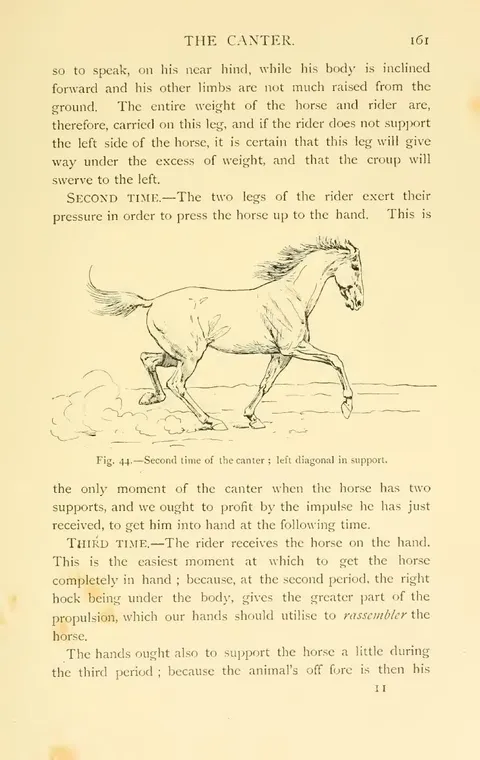
Fig. 44. — Second time of the canter ; left diagonal in support.
the only moment of the canter when the horse has two supports, and we ought to profit by the impulse he has just received, to get him into hand at the following time.
Third time. — The rider receives the horse on the hand. This is the easiest moment at which to get the horse completely in hand ; because, at the second period, the right hock being under the body, gives the greater part of the propulsion, which our hands should utilise to rassembler the horse.
The hands ought also to support the horse a little during the third period ; because the animal's off fore is then his