Распознанный текст (OCR Internet Archive), не вычитан. Лицензии
First time. — Near hind in support (Fig. 43).
Second time. — Left diagonal support, the near hind and off fore having just quitted the ground (Fig. 44).
Third time. — Off fore in support (Fig. 45).
I will now indicate the action of the "aids" which the rider should employ during this stride.
First time. — Strong support from the left leg. The horse finds himself resting for a moment only on his near hind, but the period is so short that it cannot be seen without great practice.
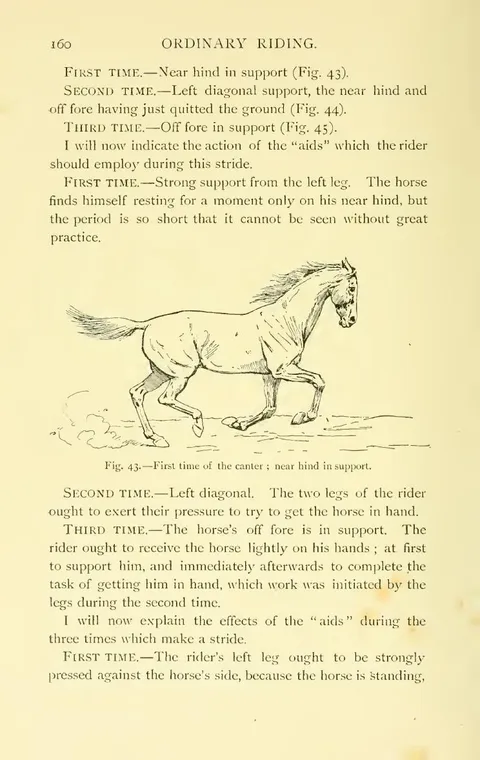
Fig. 43. — First time of the canter ; near hind in support.
Second time. — Left diagonal. The two legs of the rider ought to exert their pressure to try to get the horse in hand.
Third time. — The horse's off fore is in support. The rider ought to receive the horse lightly on his hands ; at first to support him, and immediately afterwards to complete the task of getting him in hand, which work was initiated by the legs during the second time.
I will now explain the effects of the "aids" during the three times which make a stride.
First time. — The rider's left leg ought to be strongly pressed against the horse's side, because the horse is standing,